Precision mechanics

They ensure maximum precision and repeatability through highly automated CNC machining in Switzerland.

Precision mechanics for high-precision components and assemblies

For over 100 years, Polymeca has been manufacturing high-precision mechanical components for industrial applications. Polymeca combines precision turning, precision milling and precision grinding in co-ordinated manufacturing processes. This results in high-precision components and assemblies with tight tolerances, stable processes and reproducible quality in series production.
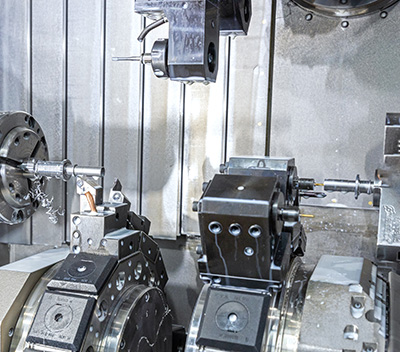
Precision turning
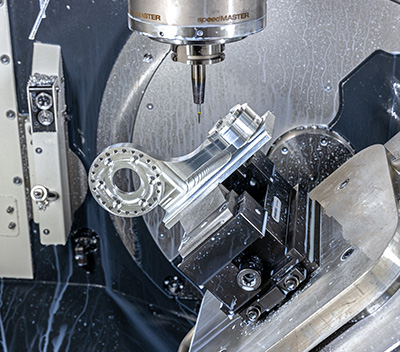
CNC turning for complex geometries with tolerances down to 5 µm. Efficient manufacturing from bar stock or in chucks with high process reliability. Read more

Precision milling

CNC milling for demanding components made from block material or cast blanks. Automated processes ensure repeatability and stable series production. Read more

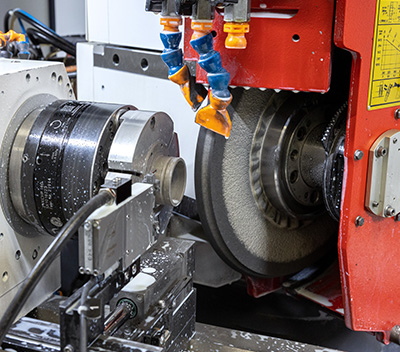
Precision grinding

CNC circular grinding for maximum precision below 1 µm. Stable processes running on stand-alone systems or in automated manufacturing cells and in 24/7 operation. Read more

Requirements for precision in series production

The production of high-precision components demands the seamless integration of several core factors:

  • Highly qualified and experienced employees
  • Machine tools engineered for peak accuracy and high-degree automation
  • Air-conditioned or temperature-stable production environment
  • Experienced technicians in measurement technology and verified measuring systems
  • Stable and validated manufacturing processes
  • Consistent quality management

Only if these conditions are met can tight tolerances be consistently and reproducibly achieved in series production.

What levels of accuracy can Polymeca produce?

Polymeca manufactures components with tolerances in the micrometre range. Depending on the process and component requirements, we typically achieve tolerances of up to 5 µm in turning and milling, and down to less than 1 µm in grinding.

The achievable accuracy depends on the geometry, material and process design. Through optimised manufacturing processes, climate-controlled conditions and high-precision measurement technology, we ensure stable and reproducible results.
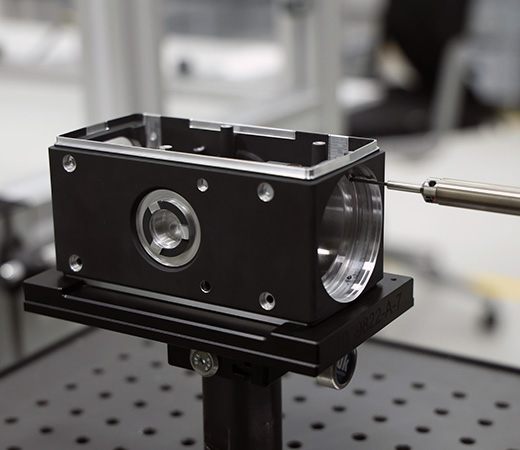
How does Polymeca ensure that every part in a series is highly precise and reproducible?

Reproducible quality is achieved through clearly defined and monitored processes. Automated manufacturing cells and machining centres, stable process parameters and continuous measurements ensure consistent quality across the entire production run.

From process release to final part inspection, we document all relevant measurement results. This ensures that quality remains traceable and process-compatible.
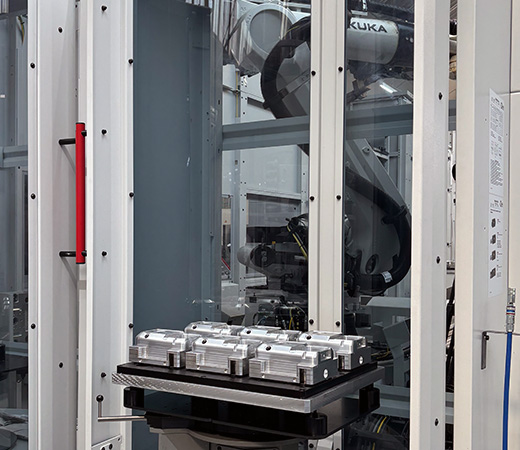
How does Polymeca ensure internationally competitive prices?

Precision parts are under intense cost pressure. Polymeca therefore continuously invests in modern machinery and automation solutions. A high degree of automation is the key to cost-effective series production. Automated production cells, multi-machine operation and stable processes reduce manual intervention, increase plant availability and improve reproducibility.

The low-staffed 3-shift operation increases productivity and reduces unit costs. High-performance measurement technology and experienced specialists simultaneously ensure process stability. This allows for the economical production of high-precision components, even in international competition.

Turned part made of aluminium

Turned part made of steel
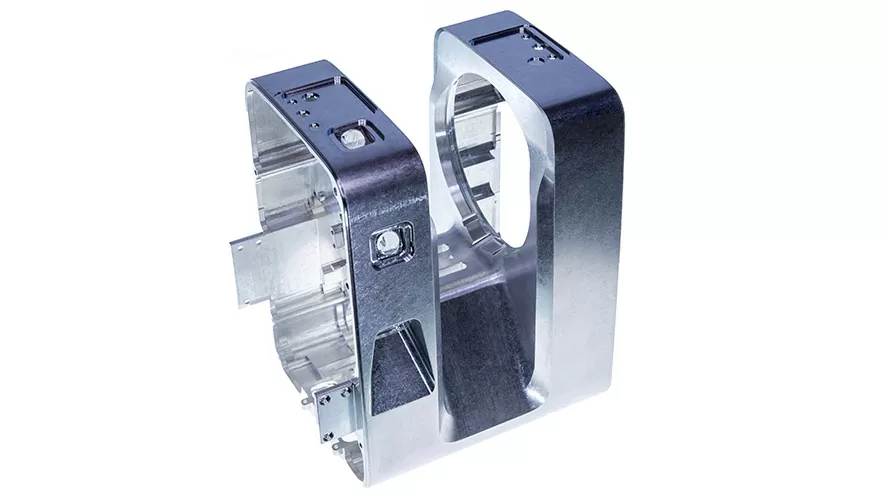
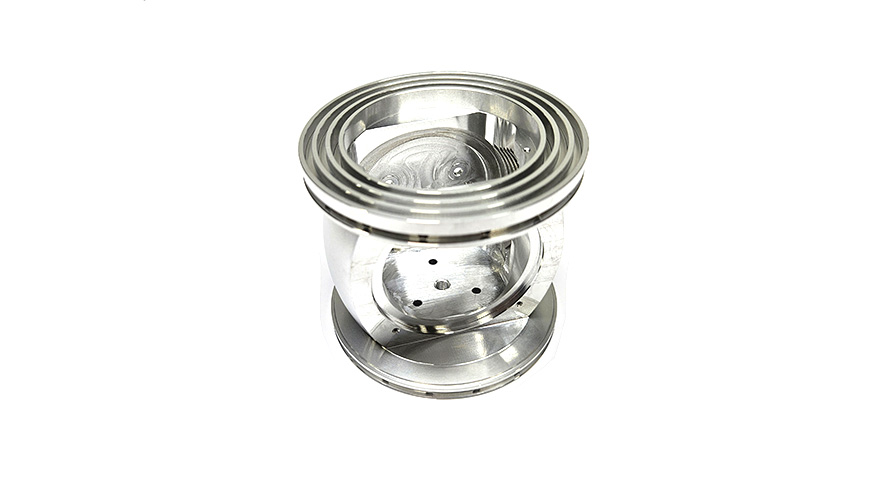
Milled part made of aluminium
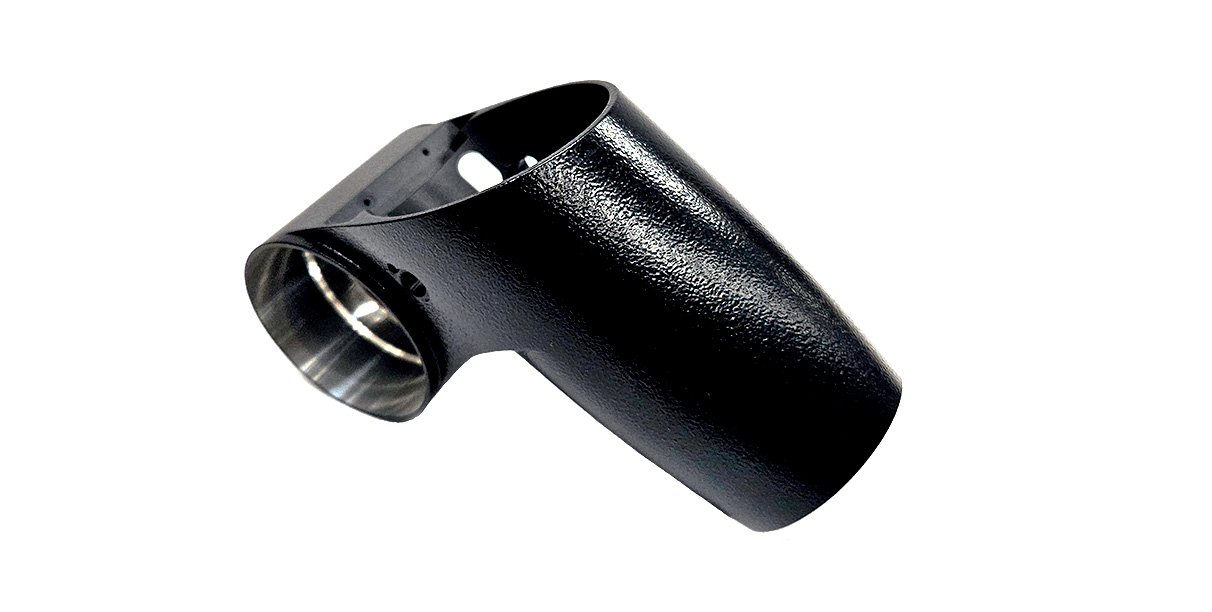
Milled part made of aluminium, black anodised and blank milled
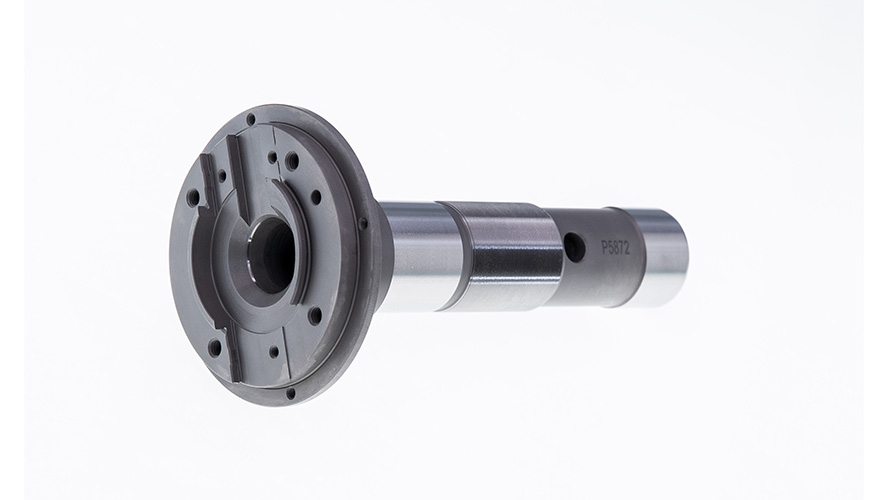
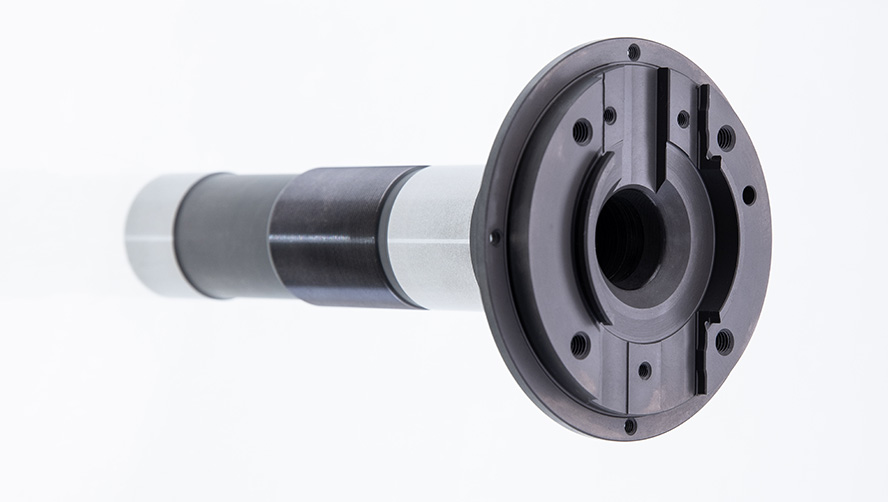
Circular grinded part made of steel, externally grinded
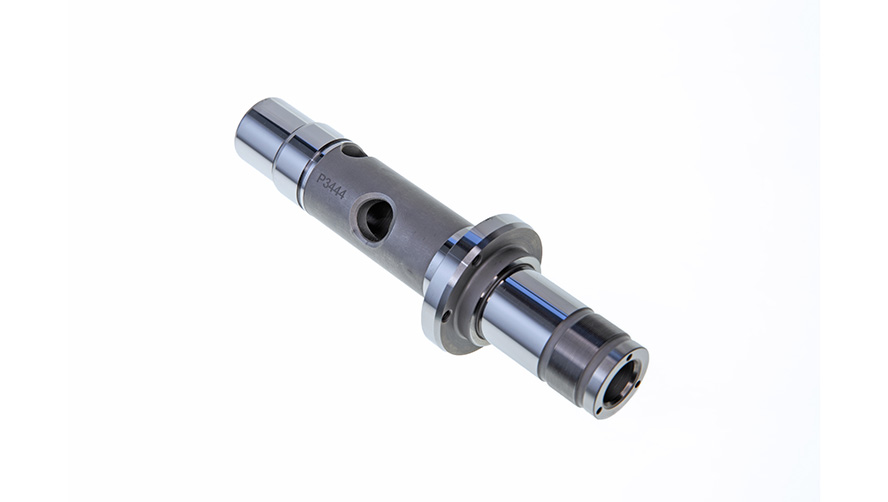
Circular grinded part made of nitriding steel, externally grinded

Frequently asked questions about precision mechanics at Polymeca

What materials does Polymeca process?
We process a wide range of technical materials, including various aluminium alloys, stainless steel, hardened steels, titanium and brass.
What are the minimum and maximum dimensions that Polymeca can process?
The processing areas depend on the process. In turning, we machine components from Ø 10 to Ø 200 mm. In milling, the machining area is up to 800 × 800 × 550 mm. Grinding allows for diameters from Ø 10 to Ø 200 mm and lengths up to approx. 300 mm.
Which machine tools do you use for ultra-precision manufacturing?
We work with high-precision turning and milling centres, 5-axis machining centres and CNC universal circular grinding machines from leading manufacturers such as INDEX, SCHAUBLIN, HERMLE, DMG and STUDER.
How does Polymeca ensure stable manufacturing processes and on-time delivery?
Through defined manufacturing strategies, automated processes and continuous quality controls, we ensure stable operations and on-time delivery. Proactive planning, targeted raw material hedging, and calculated safety stocks ensure that we remain able to deliver even in the event of unforeseen bottlenecks.
How can I clarify technical feasibility and series production capability with Polymeca?
Our technicians in manufacturing and measurement technology analyse your components with regard to geometry, tolerances and economic efficiency and develop a suitable manufacturing concept. This is based on a structured feasibility analysis using your specifications – supplemented by years of experience and expertise in precision manufacturing.
When is Switzerland an important production location for CNC machining?
When the highest demands are placed on precision, process stability and delivery reliability, Switzerland offers clear advantages. These include stable political conditions, highly trained specialists, reliable infrastructure, short transport routes within the DACH region (Germany, Austria, Switzerland) and a strong understanding of quality in the industry.
How can I reduce the costs for my machined precision parts?
Design-for-manufacturing, streamlined processes and automation deliver sustainable cost reductions Partnering with you from the earliest stages of development, we leverage a consistent design-to-cost approach and expert specifications analysis to minimise effort and drive savings where they matter most

Discuss the project and check feasibility

Are you designing a new precision component or validating its suitability for series production? We define your requirements, tolerances, and manufacturing processes with absolute precision and efficiency.
Scroll to Top