Further processing

We handle surface technology, pre- and post-treatments as well as additional processes for precision parts in-house.

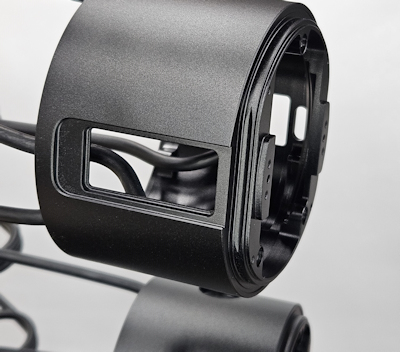
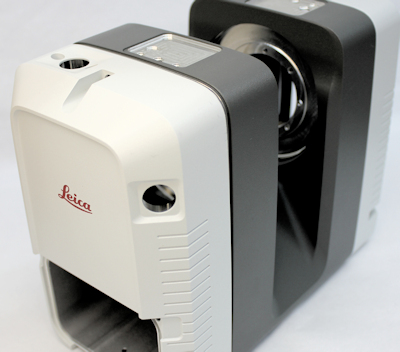
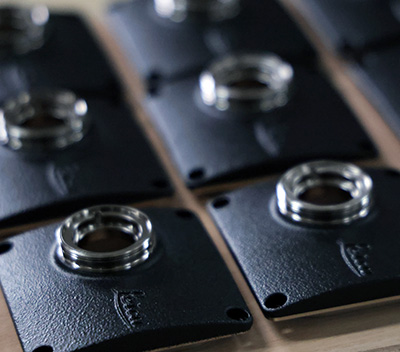
Polymeca combines CNC machining and further processing into a seamless process chain. We refine, protect, clean, mark and coat precision parts using tailored processes for functional, visual and assembly-ready results.

The most important points

  • In-house surface technology
  • Pre-treatments and post-treatments
  • Anodising, passivation, electroplating and painting
  • Additional processes for ready-to-assemble parts
  • Fewer interfaces in the overall process

Your personal contact
Pascal Frei
Pascal Frei
Dept. Manager Sales & Project Management
+41 71 727 37 72
+41 79 775 46 45

This is how further processing works at Polymeca

1. Clarify requirements
We clarify material, geometry, function, surface, layer requirements, visual specifications and downstream process steps. In doing so, we examine which further processing is technically and economically viable.
2. Define the procedure
Our specialists select the appropriate process for pre-treatment, surface finishing, coating or additional processing. Dimensional accuracy, adhesion, corrosion protection, conductivity, appearance and ease of assembly are all taken into account.
3. Prepare components
Depending on the requirements, components are cleaned, blasted, mechanically prepared or conditioned for coating.
4. Carry out further processing
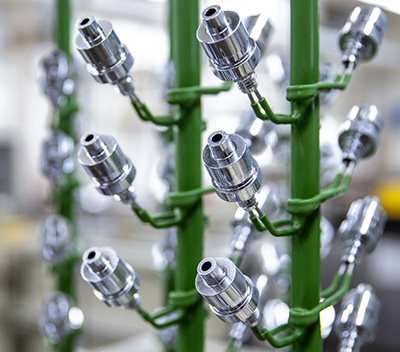
Polymeca carries out surface treatments and additional processes in-house. These include anodising, passivation, electroplating, powder coating, wet painting, and complementary processes such as ultrasonic cleaning, barrel finishing, laser processing, pad printing and pad galvanising.
5. Check and submit the result
Relevant characteristics are checked throughout the process. Depending on the method, these include layer thickness, adhesion, colour, gloss level, corrosion resistance, material properties or component dimensions.

Further processing expertise at Polymeca

Polymeca handles the further processing as an integrated part of the production chain. Mechanical machining, surface finishing, additional processes, measurement technology and assembly can be fully co-ordinated.

This reduces transport distances, co-ordination efforts and process risks. Crucially, it is not just the individual process that matters, but the interplay between component function, surface finish, tolerances, appearance and subsequent application.
Surface technology from a single source

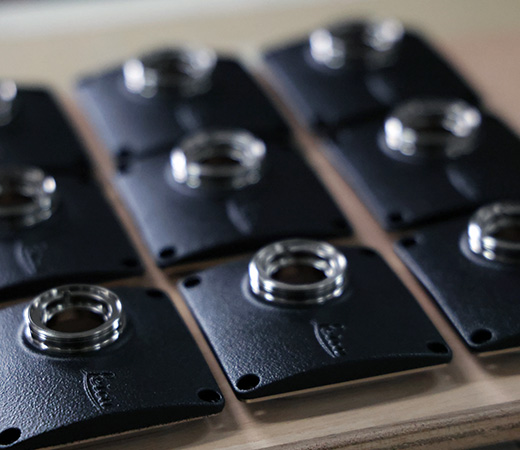
Polymeca offers centralised surface treatments in-house, including anodising, passivation, electroplating, powder coating and wet painting. This allows for the targeted implementation of requirements for corrosion protection, wear resistance, adhesion, conductivity, appearance and durability. The processes are tailored to the material, component geometry, function and subsequent process steps.
ABOUT SURFACE TECHNOLOGY

Additional processes for functional requirements

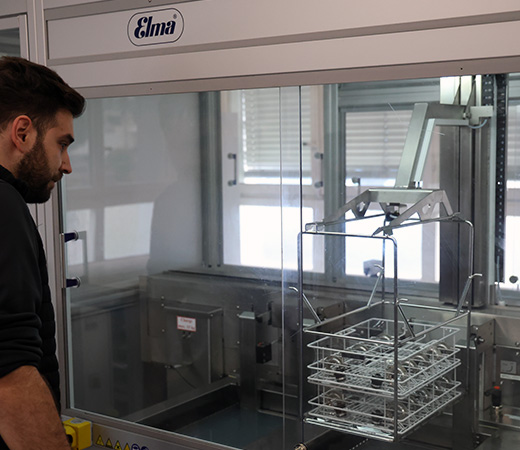
Additional processes complement the surface technology and expand the usability of the components. These include ultrasonic cleaning, barrel finishing, blasting, laser processing, pad printing and pad galvanising. These processes are used when components need to be cleaned, marked, functionally modified or visually defined.
ABOUT ADDITIONAL PROCESSES

Quality in further processing

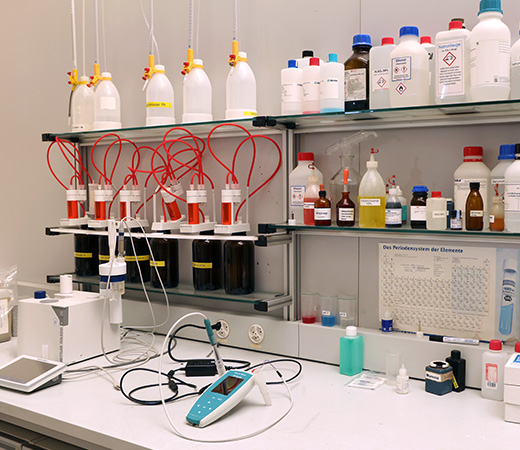
Polymeca checks relevant characteristics depending on the process and component requirements. This includes layer thickness, corrosion resistance, adhesion, gloss level, colour, material properties and component dimensions. The analytical laboratory, defined testing methods, and in-process controls ensure consistent quality across series and recurring orders.

ABOUT MEASUREMENT TECHNOLOGY

Facts about further processing

Scope of services
Pre-treatment, surface finishing, surface coating, post-treatment, additional processes
Process
Anodising, passivation, electroplating, powder coating, wet painting, ultrasonic cleaning, barrel finishing, blasting, laser processing, pad printing, pad galvanising
Production area for surface technology
2130 m²
Typical requirements
Corrosion protection, wear protection, electrical conductivity, optics, cleaning, marking, assembly capability
Results for customers
Co-ordinated further processing, fewer interfaces, tested surfaces and ready-to-assemble precision parts

«In surface finishing, we combine high levels of expertise with meticulous care to ensure that function, protection and appearance meet the requirements of our customers. Qualified employees, defined processes and consistent quality controls form the basis for reliable solutions in demanding applications.»

Christian Zürn

Department Manager Surface

Co-ordinating surface finish and further processing

Are you planning a precision part with functional or visual surface requirements? We will clarify the processes, pre-treatment, tolerances and subsequent processes efficiently and thoroughly.

Frequently asked questions about further processing

What does further processing include at Polymeca?
Further processing includes pre-treatments, surface technology, post-treatments and additional processes. Polymeca refines, coats, cleans, marks, and treats precision parts in-house.
What surface treatment processes does Polymeca offer?
Polymeca offers anodising, passivation, electroplating, powder coating and wet painting. Additional processes such as ultrasonic cleaning, barrel finishing, blasting, laser processing, pad printing and pad galvanising are also available.
Why is further processing in the same building an advantage?
Further processing in the same building reduces interfaces, transport routes and co-ordination efforts. This allows for better co-ordination of mechanical processing, surface finishing, testing and assembly.
When is it important to consider the surface finish at an early stage?
The surface should be considered early on if layer thickness, dimensional accuracy, corrosion protection, conductivity, appearance or ease of assembly are relevant. This allows for the appropriate design of component geometry, tolerances and subsequent processes.
What tests are possible on surfaces?
Depending on the method, Polymeca tests layer thicknesses, adhesion, corrosion resistance, colour, gloss level, material properties and component dimensions. In-process controls ensure reproducible results.

Surface engineering technologies

Anodising
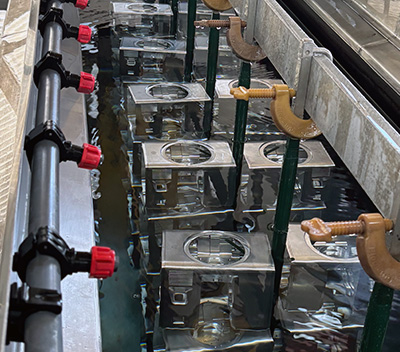
Dimensionally accurate anodising of aluminium using the GS-process provides corrosion protection, wear resistance and improved adhesion. Read more

Passivation

Passivation of aluminium with SurTec 650 for corrosion protection, high electrical conductivity and good adhesion. Read more

Electroplating

Electroplating of metallic components with functional and decorative layers for protection, conductivity and appearance. Read more

Powder coating

Robust powder coating for long-lasting protection, high resistance and modern surfaces. Read more

Wet painting

Flexible wet painting for more complex geometries, variable layer thicknesses and versatile colour and gloss level selection. Read more

Additional processes

Ultrasonic cleaning, barrel finishing, blasting, laser processing, pad printing and pad electroplating complement the surface technology. Read more
Scroll to Top