Wet painting enables the coating of complex geometries with high surface quality, variable layer thicknesses, and free choice of colour and gloss level. The process can be used regardless of the material and allows for the targeted adjustment of functional properties such as corrosion, UV or chemical resistance.
The most important points
- Maximum design freedom
- Suitable for a wide variety of materials
- Flexible coating systems

Examples of implemented wet-painted components
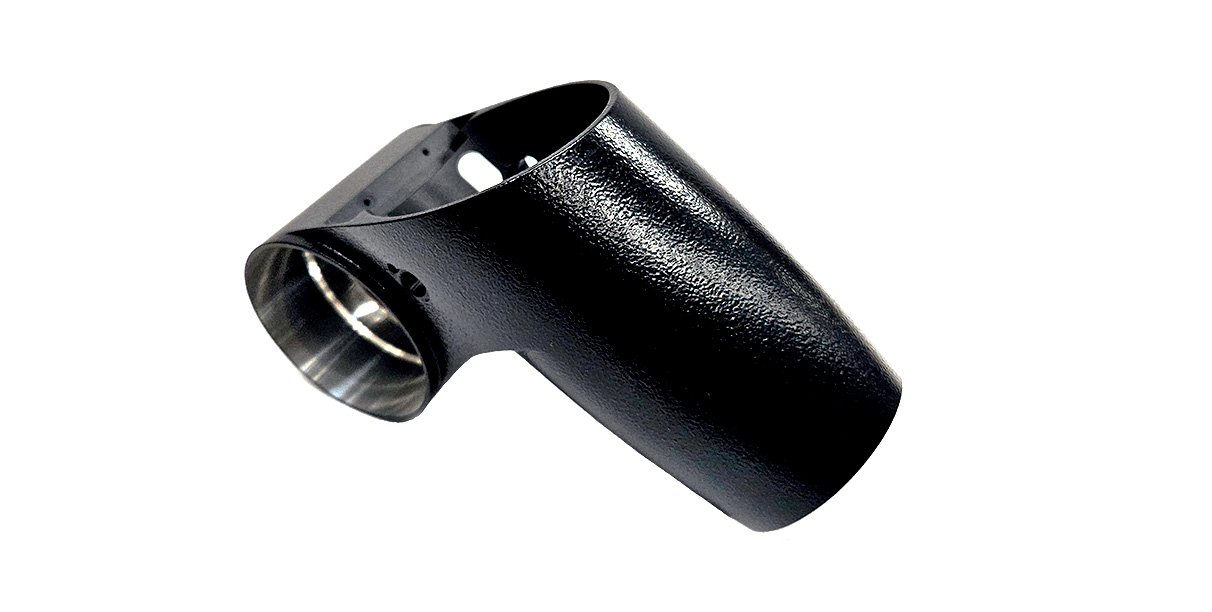
Black wet paint
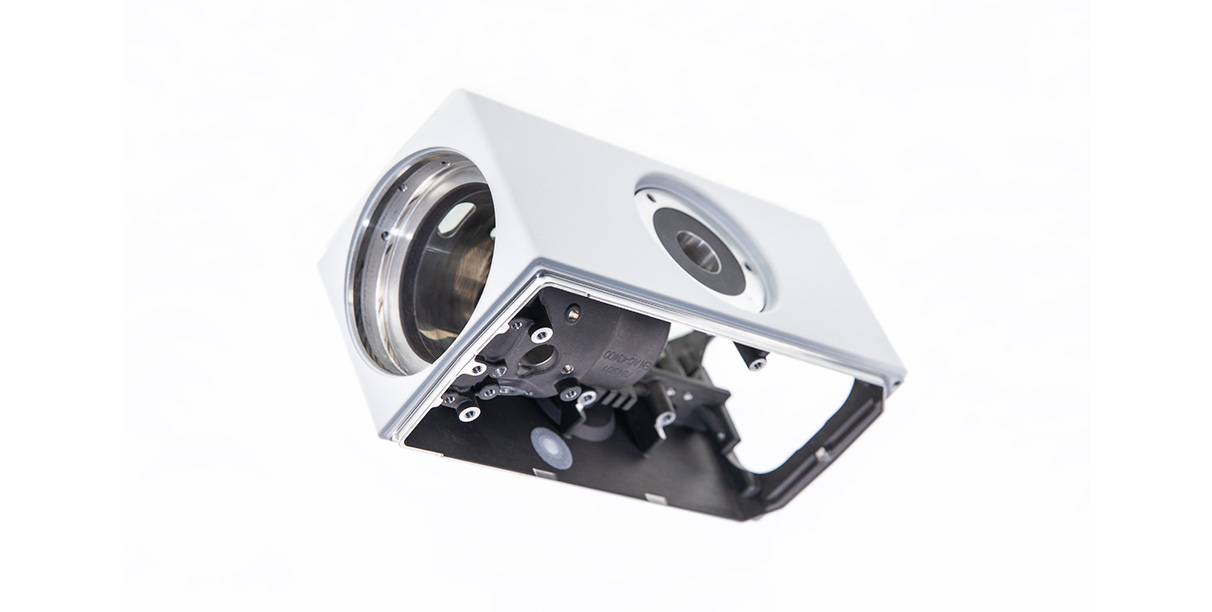
White wet paint
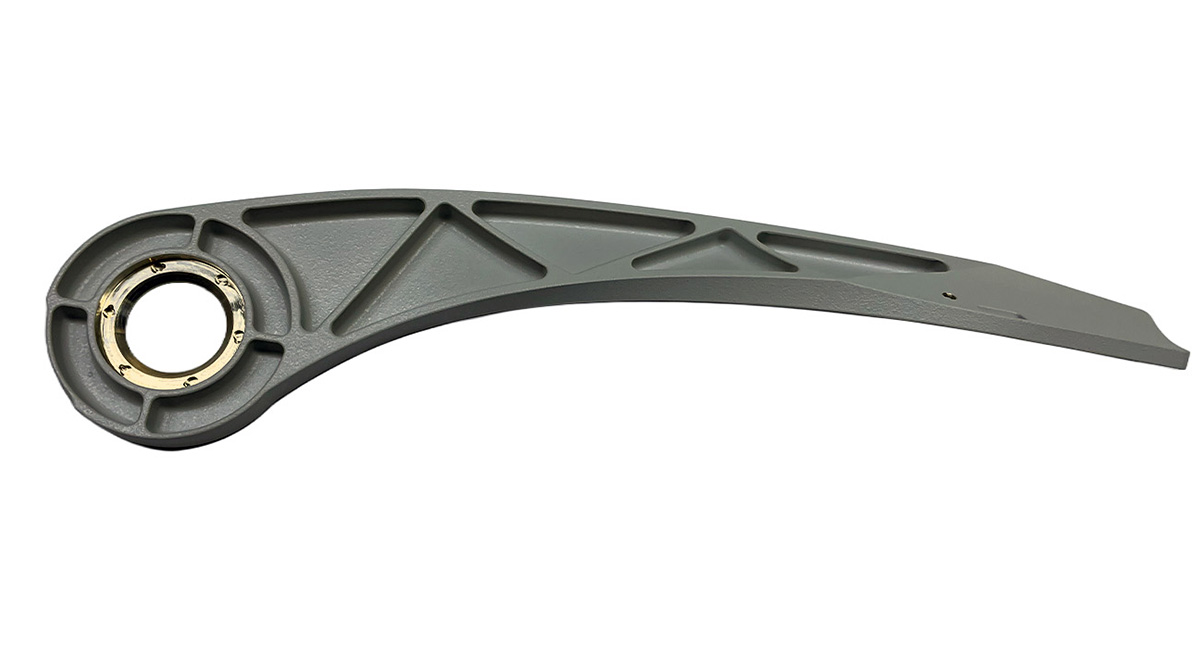
Grey wet paint
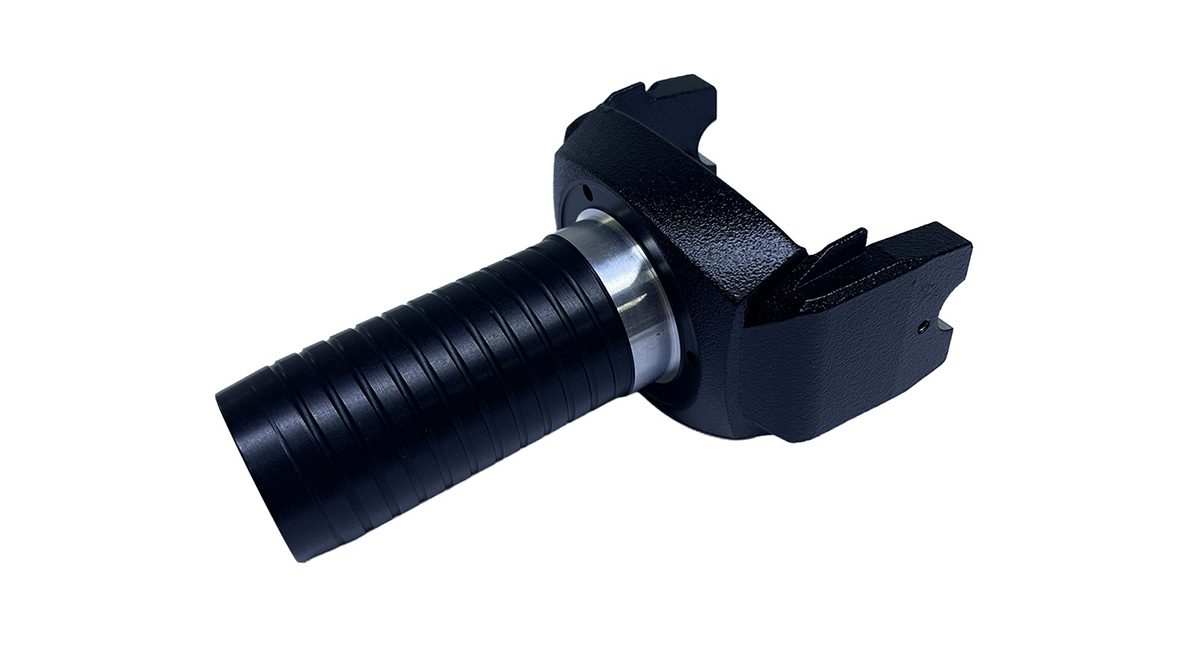
Black wet paint
Wet painting expertise at Polymeca
Wet painting is used when high flexibility, high-quality appearance and technical function are required. Many wet paints are dried at temperatures as low as 80°C. This is an important consideration for heat-sensitive components or base materials.
The excellent recoatability of these paint layers is a crucial factor, especially for cast components. Wet painting is also the right choice for conductive coatings or effect coatings, such as metallic finishes.
Facts about wet painting

Quality assurance, analysis and environmental protection
Our coating processes guarantee precision, sustainability and reliability. Every component meets our specifications for dimensional accuracy and surface quality – from the first to the last part of a series.
To do this, we monitor the processes using testing methods such as cross-cut testing, colour measurement and gloss measurement. This ensures the adhesion of the coating and verifies that the colour and gloss level meet the requirements. Continuous monitoring ensures a reproducible coating quality that our customers can rely on.
Quality:
- ISO 9001:2015 certified
- Coating thickness measurement
- Cross-cut test
- Gloss measurement
- Colour measurement
Environmental protection:
- ISO 14001:2015 certified
- RoHS compliant processes
- REACH compliant processes
- Modern wastewater treatment
- Steadily growing sustainability
«For us, wet painting guarantees high surface quality – both functionally and visually. Thanks to tested coating systems and professional application, we achieve reliable results, even with demanding and complex geometries.»
Jürgen Zeller
Clarify technical feasibility and suitability for series production
Frequently asked questions about wet painting
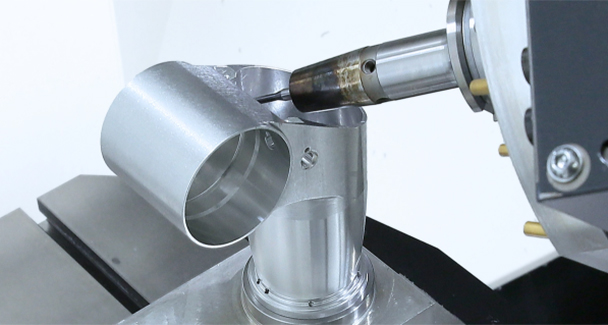
Precision mechanics
Upon request, mechanical processing can be performed prior to surface treatment as a preliminary process step for the targeted, high-precision manufacturing of your components. With our core competencies in mechanical manufacturing, we meet your requirements for precision, quality and process reliability.
Further expertise in surface technology
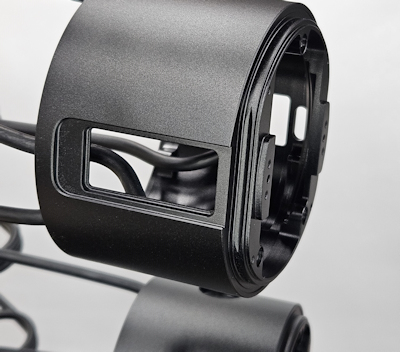
Anodising
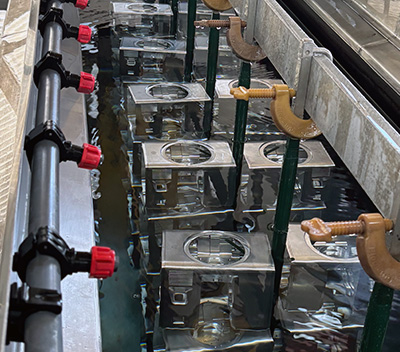
Passivation
Electroplating
Powder Coating